Best Car Insurance for Electric Vehicles in the USA (2026)

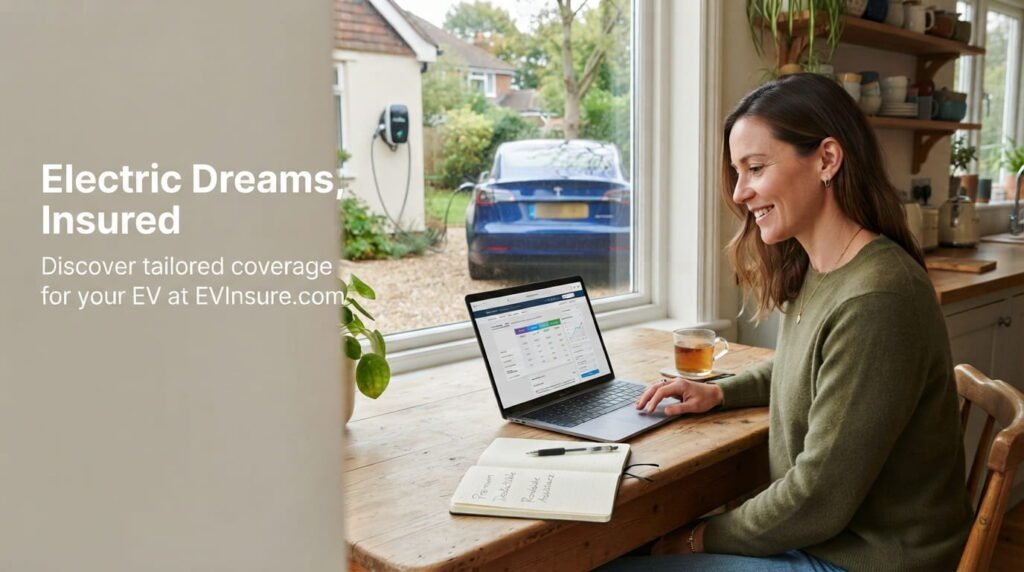
You have picked out an electric vehicle—or you are close to buying one—and now need an insurance quote. The familiar choices are still there: liability, collision, and comprehensive coverage. But a quote for your exact EV may reflect its purchase price, battery and electronics, access to replacement parts, and where qualified repairs can be performed.
Finding the best car insurance for electric vehicles therefore takes more than asking which company advertises an EV discount. Compare the total premium, liability limits, collision and comprehensive deductibles, repair and claims arrangements, roadside assistance, and useful optional protection. A low-priced policy may be less appealing if its towing terms or rental limit would leave you with substantial costs after a loss.
How EV coverage works
Availability and pricing depend on your state, driver profile, insurer, and the EV’s make, model, and trim. This guide explains how standard auto coverage applies to EVs, identifies insurers worth researching, puts published 2026 costs in context, and provides a checklist for comparing personalized quotes. No provider is automatically the best—or cheapest—for every electric-car owner.
How does electric vehicle insurance work?
Electric car insurance largely follows the same framework as insurance for a gasoline-powered car. The protections you buy matter more than the vehicle’s power source:
- Liability helps pay, up to policy limits, for covered bodily injury and property damage you cause to others.
- Collision helps pay for covered damage to your EV after it strikes another vehicle or object.
- Comprehensive helps pay for specified non-collision losses, potentially including theft, vandalism, fire, hail, and falling objects.
- Uninsured or underinsured motorist coverage may help with eligible losses involving a driver who has no insurance or insufficient coverage, subject to state and policy rules.
- Personal injury protection (PIP) or medical payments coverage may help pay eligible medical expenses. Requirements and availability differ by state.
Collision and comprehensive are generally not required by state law, though a lender or leasing company commonly requires them on a financed or leased EV. Some owners call a policy containing liability, collision, and comprehensive “full coverage,” but that is an informal term, not a guarantee against every loss.
In particular, a standard auto policy does not necessarily cover battery degradation, a manufacturing defect, ordinary mechanical failure, a damaged portable charging cable, or a home charger. Those questions require attention to the cause of damage, the property involved, and potentially a warranty or a different insurance policy. Ask about each item rather than assuming all EV-related equipment receives the same treatment.
Why can an EV cost more to insure?
Some EVs have high replacement values or costly battery systems, sensors, and electronic components. Repairs may require specialized equipment and trained technicians, while limited parts or repair-facility availability can affect repair time and expense. Damage to a battery system can also complicate a decision about whether repairing the vehicle is economical. The NAIC identifies these as potential cost factors, not reasons that every EV must carry a higher premium.content.naic
Model choice is consequential. A mainstream EV and a luxury or high-performance EV may have very different values, parts, and repair costs. Insurers also price the driver, location, mileage, coverage, and deductible—not just the powertrain. One company may evaluate a particular model differently from another.
Do not assume a higher purchase price always translates into the same percentage increase in insurance cost, or compare an EV with an unrelated gas car and attribute the entire difference to its battery. Obtain quotes for the specific models and trims you are considering before buying. That gives you a useful ownership-cost comparison based on your address and driving record rather than a broad EV average.
Insurers and 2026 costs
Best car insurance companies for electric vehicles to research
The following established insurers offer auto coverage that EV shoppers can investigate. The table identifies documented features and questions to ask; it is not a ranking. Optional benefits, discounts, vehicle eligibility, and state availability must be confirmed in your actual quote. Insurer websites describe their own products and should not be treated as independent evaluations of claims service.
| Insurance company | EV coverage considerations | Discounts or programs | Availability notes |
|---|---|---|---|
| State Farm | Standard auto coverages; says emergency road service may help with towing to a charging location | Drive Safe & Save and other eligible auto discounts | Ask a local agent about your EV, charger-related questions, and state-specific roadside terms. statefarm |
| GEICO | Standard auto coverages; optional emergency roadside service and rental reimbursement | Multi-car and multi-policy opportunities; DriveEasy | DriveEasy availability and terms vary; verify EV towing destination and costs. |
| Progressive | Standard auto coverages; optional roadside service specifies towing for an EV that runs out of charge | General auto discounts; no EV-specific discount advertised in its EV guide | Confirm the quoted vehicle, roadside distance, and whether the selected coverages are offered in your state. |
| Allstate | Standard EV auto coverages; advertises optional EV roadside services | Bundling and Drivewise, where eligible | Confirm the precise roadside plan, charger-related product, and applicable restrictions. |
| Travelers | Standard auto coverages; rental, roadside, and eligible new-car or gap options merit review | Multi-policy, multi-car, safe-driver, and IntelliDrive opportunities | Check your EV model, state offerings, and eligibility for replacement or gap benefits. |
| Liberty Mutual | Standard EV auto coverages; offers roadside assistance and discusses battery and charging-equipment questions | Multi-vehicle and qualifying safe-driving programs | Ask which charger or battery-related protections are actually included, rather than relying on general EV guidance. |
| Nationwide | Standard auto coverages; roadside and gap options warrant comparison | SmartRide; SmartMiles for eligible low-mileage vehicles | Some EVs may be incompatible with a SmartMiles device; check vehicle and state eligibility. |
| Tesla Insurance | Liability, collision, comprehensive, and other options; compare repairs and rental terms | Real-time pricing uses driving and mileage data outside California | Offered only in listed states; California pricing does not use Safety Score. Confirm vehicle and driver eligibility. |
State Farm is a useful candidate for drivers who want to ask an agent about charging equipment and emergency help. The company says its emergency road service, if purchased, may pay the fair cost of towing to a location where an EV can be charged; that is not a promise that every roadside request will include mobile charging.statefarm
GEICO and Progressive provide another pair to compare using the same limits. GEICO’s DriveEasy measures driving through an app and is not available everywhere. Progressive explicitly describes a roadside option for an EV that runs out of charge, including towing within a stated radius or to the nearest qualifying charging facility under its described terms. Ask both insurers what the service would mean for your vehicle and location.
Allstate and Liberty Mutual publish EV-focused guidance, but guidance is not itself a policy endorsement. Allstate describes optional EV roadside assistance and Liberty Mutual urges owners to check treatment of batteries and home charging equipment. Request written confirmation of the benefits on the policy you are considering.
Travelers and Nationwide are worth pricing if you want to examine gap or replacement-related options, or if mileage-based pricing interests you. Nationwide warns that some hybrids and EVs may be incompatible with its SmartMiles device. Tesla Insurance is a further comparison for eligible drivers in states where it operates—not an automatic winner for Tesla owners.
How much does electric vehicle insurance cost in 2026?
A recent benchmark is MoneyGeek’s April 2026 analysis: it reports an average of $3,281 per year for full EV coverage across 33 EV models and all 50 states. Its standardized profile is a 40-year-old driver with a clean record and good credit, with $100,000/$300,000 bodily injury and $100,000 property damage liability limits and $500 deductibles for collision and comprehensive coverage. The figure is an average across the study’s EVs, not a quote for your model or a price every insurer will offer.moneygeek
Other published EV averages differ because studies use different vehicle samples and driver assumptions. Do not combine their figures into a supposed universal 2026 rate or infer from one EV average that every electric model costs more to insure than a comparable gasoline-powered model. For a useful purchase decision, request quotes for the same specific vehicle and driver from several insurers.
Your electric vehicle insurance cost can change with purchase price and replacement value; make, trim, and model year; parts and qualified repair availability; age and claims record; state, ZIP code, and garaging address; mileage and use; liability limits; deductibles; and optional benefits. A different deductible can lower the premium while increasing what you pay after an eligible claim. Ask each insurer for a complete annual price and review payment fees if you intend to pay in installments.
EV-specific protection
What coverage should EV owners check?
The standard policy building blocks are familiar, but EV ownership raises practical questions that deserve specific answers. Use this EV coverage checklist when speaking with an insurer:
- Battery damage: Ask whether collision or comprehensive applies if an eligible crash, fire, or other covered event damages the traction battery. Accidental covered damage is different from gradual degradation, wear, or a manufacturing defect; the latter are not automatically auto insurance claims. Check the vehicle warranty separately.
- Charging equipment: Identify what you own: a portable cable, removable charger, or permanently installed home unit. Ask your auto and homeowners or renters insurers which policy, if any, addresses theft, fire, accidental damage, and associated liability. Do not assume the EV’s policy covers the entire installation.
- Roadside assistance: Confirm whether an out-of-charge EV qualifies for a tow, where it can be taken, distance limits, any charging costs, and whether suitable towing equipment is arranged. “Roadside included” is not enough detail for a stranded driver.
- Rental reimbursement: Check daily and overall dollar limits, qualifying claim rules, and when reimbursement ends. Standard rental coverage may provide transportation during covered repairs without promising another EV.
- Gap coverage: If you finance or lease, ask whether an eligible total-loss benefit could address part of a difference between the car’s covered settlement and the outstanding balance. Eligibility and maximum payments vary; gap coverage is not a substitute for understanding the loan.
- New car replacement: Where offered, review vehicle-age or mileage rules, covered-loss conditions, and replacement terms. Do not assume it is included in collision or comprehensive coverage.
For example, a covered collision might damage an EV’s battery housing. The collision claim could involve the applicable deductible and repair assessment. That does not mean a battery that gradually loses capacity will qualify under the same coverage. Ask the insurer how its policy distinguishes sudden covered damage from deterioration.
Is Tesla Insurance worth comparing?
Yes—where available. Tesla lists Tesla Insurance in 15 states: Arizona, California, Colorado, Florida, Illinois, Indiana, Maryland, Minnesota, Nevada, Ohio, Oregon, Tennessee, Texas, Utah, and Virginia. Availability and eligibility can change, so verify them when quoting. Tesla lists liability, collision, comprehensive, and other coverage choices with state-dependent options.
In participating states outside California, Tesla says its real-time pricing uses information including the vehicle, garaging address, mileage, selected coverage, and driving-related Safety Score. California’s Tesla Insurance product does not use Safety Score to set the premium. If you are considering the program, review which connected-vehicle data affects pricing, what you are agreeing to share, and how monthly rates may change.
Compare Tesla Insurance with traditional carriers using the same liability limits, collision and comprehensive deductibles, and rental or roadside choices. Ask about claim reporting, repair arrangements, and the final policy terms. Neither the manufacturer affiliation nor an initial quote establishes that Tesla Insurance will remain cheaper or provide better claims service for you.
Shopping for the right policy
How to find affordable EV insurance
Start comparing before you buy the vehicle if possible. A quote tied to the exact make, model, trim, model year, and ZIP code will be more useful than an “average EV” premium. When shopping for affordable electric car insurance, ask for the same liability limits from every insurer and price collision and comprehensive with identical deductibles.
- Ask about multi-policy or multi-vehicle discounts, clean-record savings, and any applicable low-mileage option.
- Consider usage-based programs only after reading what driving or connected-car data they collect and how pricing works.
- State your realistic annual mileage and vehicle use; do not enter an artificially low estimate to get a cheaper quote.
- Request a separate price for roadside assistance, rental reimbursement, and gap coverage if relevant.
- Revisit optional physical-damage coverage as an owned EV’s market value and your savings change.
Discount eligibility differs by company and state. Progressive, for instance, says it does not offer a specific EV discount in its EV cost guide, though other auto discounts may apply. Do not reduce liability limits or select a deductible you cannot pay simply to achieve a lower advertised premium.
Coverage choices for different EV owners
New EV buyers: Check any lender or lease requirement for collision and comprehensive coverage. If you finance a large portion of the price, compare eligible gap options and the insurer’s total-loss terms. Price rental reimbursement if going without the car during covered repairs would create a problem.
Used EV owners: Compare current market value with the extra premium for vehicle-damage coverage and the applicable deductibles. Ask how the insurer would assess battery damage after a covered incident, while separately checking the remaining manufacturer warranty. A used EV’s age alone does not dictate whether to keep collision and comprehensive.
Tesla owners: Quote Tesla Insurance if it is available and you qualify, alongside other carriers. Match coverage specifications and consider telematics terms, repair arrangements, and claim procedures—not just the first monthly price.
High-mileage or budget-conscious drivers: Pay particular attention to roadside towing and rental limits if being without a vehicle would be disruptive. Check whether a mileage-based program actually fits your driving and EV; balance deductible savings against emergency funds and potential repair expense.
How to compare EV insurance quotes
- Gather the EV’s make, model, trim, model year, vehicle identification number, mileage, and garaging address.
- Request quotes from several eligible insurers with matching liability and any other selected coverage limits.
- Set the same collision and comprehensive deductibles for the initial comparison.
- Ask how battery damage, charging accessories, and covered repairs are assessed; request relevant policy language.
- Compare EV towing destinations, roadside costs, rental limits, and gap or replacement options.
- Review repair-network choices, claims procedures, discounts, payment terms, and renewal conditions.
- Confirm that the final policy meets state requirements and any loan or lease agreement.
A cheaper premium may reflect a larger deductible or a missing benefit rather than a better deal. Keep the written quotes and compare the total cost for the same policy period.
Common mistakes to avoid
Do not choose a carrier solely for its lowest advertised price or assume every EV battery failure is an insured loss. A manufacturer’s battery warranty and an auto policy address different kinds of problems; read both. Check deductibles, liability limits, exclusions, and how a total loss is valued.
Home charging equipment and portable cables also deserve separate questions, as do towing arrangements when an EV runs out of charge. An insurer’s general roadside benefit may not provide the destination or service you expect. Finally, verify every discount in your state and compare quotes with identical coverage assumptions. A claimed EV benefit does not help if it is unavailable for your vehicle or absent from your issued policy.
Frequently asked questions
Is electric car insurance more expensive than gas car insurance?
Some EVs can cost more to insure because of vehicle value, parts, batteries, or specialized repairs, but the answer varies by model and comparison vehicle. Driver history, location, coverage, and insurer also matter. Quote the exact EV and gas-powered alternatives you are considering with identical coverage before drawing a cost conclusion.
Which insurance companies cover electric vehicles?
Established carriers to investigate include State Farm, GEICO, Progressive, Allstate, Travelers, Liberty Mutual, and Nationwide; Tesla Insurance is another option where available and for eligible drivers. Each company’s willingness to insure a particular vehicle, available features, and price can depend on your state and profile.
Does car insurance cover an EV battery?
It may cover battery damage caused by an eligible collision or comprehensive event if the policy’s terms apply. Ordinary degradation, a defect, or mechanical failure is a different matter and is not automatically covered by standard auto insurance. Review your policy and the manufacturer warranty for their separate protections.
Does Tesla have its own car insurance?
Yes. Tesla Insurance lists coverage options and currently identifies 15 states where it is offered. Its real-time pricing uses driving-related information in participating states, while its California product does not use Safety Score to set premiums. Confirm current eligibility, terms, and price against traditional-insurer quotes.
Is full coverage necessary for an electric car?
Not solely because the car is electric. Collision and comprehensive may be required by a lender or lessor; otherwise, weigh the EV’s value, deductible, added premium, and your ability to pay for a major repair or replacement. “Full coverage” is an informal label, so inspect the actual coverages.
Does homeowners insurance cover a home EV charger?
It may, but treatment depends on the policy, whether the equipment is permanently installed, ownership, and the cause of damage. A portable cable could be treated differently from a fixed charger. Ask your homeowners or renters insurer—and your auto insurer—what applies to your equipment and whether additional coverage is needed.
How can I lower my EV insurance premium?
Compare multiple insurers using the same limits and deductibles. Ask about bundling, multi-vehicle, safe-driver, and eligible mileage-based programs; enter accurate mileage and review any data-sharing terms. Test deductible alternatives you could afford after a loss, then check that a cheaper quote still meets your coverage needs.
Conclusion
The best car insurance for electric vehicles combines familiar auto protection with answers to EV-specific questions about batteries, specialized repairs, charging equipment, and roadside help. The right insurer depends on your state, exact vehicle, driving profile, budget, and eligibility—not an EV-wide average or a company’s advertised discount.content.
Get personalized quotes from multiple providers with equivalent limits and deductibles. Then check what the policy actually says about covered battery damage, towing, rentals, exclusions, and any loan or lease requirements. Gather your EV’s vehicle details and request comparable written quotes before choosing coverage.